
Embracing Mental and Physical Integration for Holistic Well-Being

When we think about health, it’s easy to separate the mind and body into two distinct parts. But in reality, our mental and physical health are deeply connected. I’ve learned that embracing this connection can transform how we care for ourselves. It’s not just about treating symptoms or pushing through challenges; it’s about nurturing the whole person. Today, I want to share insights and practical steps on integrating mental and physical health, so we can all move toward a more balanced, vibrant life.
Understanding the Connection Between Mental and Physical Health
Our mental and physical health influence each other in powerful ways. For example, when stress builds up in our minds, it can manifest as headaches, muscle tension, or fatigue. On the other hand, physical illnesses or chronic pain can lead to feelings of anxiety or depression. This two-way street means that caring for one aspect without the other often leaves us feeling incomplete.
One clear example is how regular exercise benefits both body and mind. Physical activity releases endorphins, which are natural mood lifters. It also improves sleep, reduces stress, and boosts energy levels. When we move our bodies, we’re not just strengthening muscles; we’re also calming our minds and improving emotional resilience.
By recognizing this connection, we can start to approach health in a more integrated way. This means paying attention to how our thoughts, emotions, and physical sensations interact daily. It also means adopting habits that support both mental and physical well-being simultaneously.

Practical Ways to Foster Mental and Physical Integration
Integrating mental and physical health doesn’t require drastic changes. Small, consistent actions can make a big difference. Here are some practical steps I’ve found helpful:
Mindful Movement: Activities like yoga, tai chi, or even gentle stretching encourage awareness of the body and breath. This mindfulness helps reduce stress and improves body awareness.
Balanced Nutrition: Eating whole, nutrient-rich foods supports brain function and physical energy. Avoiding excessive sugar and processed foods can stabilize mood swings and reduce inflammation.
Regular Sleep Patterns: Sleep is a cornerstone of health. Establishing a calming bedtime routine and sticking to consistent sleep hours helps both mind and body recharge.
Stress Management Techniques: Practices such as deep breathing, meditation, or journaling can calm the nervous system and clear mental clutter.
Social Connection: Spending time with supportive friends or family nurtures emotional health and encourages physical activity through shared experiences.
By weaving these habits into daily life, we create a foundation where mental and physical health support each other naturally.
The Role of Healthcare Providers in Mental and Physical Integration
Healthcare professionals play a crucial role in promoting integrated health. When doctors, therapists, and other providers work together, they can offer more comprehensive care. For example, a primary care physician might collaborate with a mental health counselor to address both physical symptoms and emotional challenges.
This team approach helps identify underlying issues that might be missed when focusing on just one aspect of health. It also encourages patients to see their well-being as a whole, rather than fragmented parts.
If you’re navigating health concerns, don’t hesitate to ask your providers about integrated care options. Many clinics now offer services that combine physical and mental health support, making it easier to get the help you need in one place.

Creating a Supportive Environment for Holistic Health
Our surroundings have a big impact on how well we integrate mental and physical health. A supportive environment can encourage healthy habits and reduce stress. Here are some ways to cultivate such an environment:
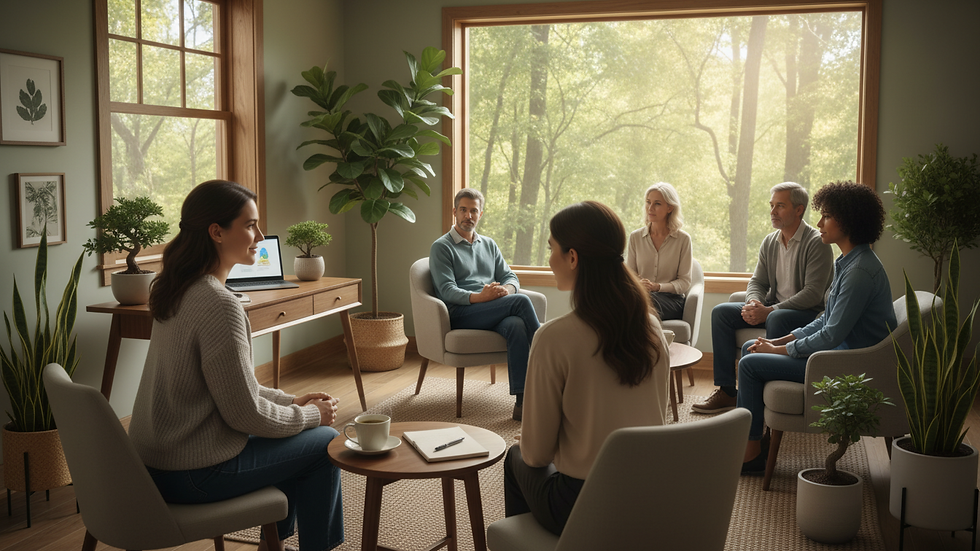
Design a Calm Space: Whether at home or work, create areas that feel peaceful and inviting. Soft lighting, plants, and comfortable seating can make a difference.
Limit Digital Overload: Too much screen time can increase anxiety and disrupt sleep. Setting boundaries around technology use helps protect mental clarity.
Encourage Movement Breaks: If you spend long hours sitting, take short breaks to stretch or walk. This refreshes both body and mind.
Promote Open Communication: Sharing feelings and challenges with trusted people reduces isolation and builds emotional strength.
By shaping our environment thoughtfully, we support the ongoing integration of mental and physical health in everyday life.
Moving Forward with Compassion and Consistency
Integrating mental and physical health is a journey, not a destination. It requires patience, kindness toward ourselves, and steady effort. There will be days when it feels easier and days when it feels harder. That’s perfectly okay.
Remember, every small step counts. Whether it’s taking a few deep breaths during a busy day or choosing a nourishing meal, these actions add up. They remind us that we are whole beings deserving of care in every way.
If you ever feel overwhelmed, reach out for support. You don’t have to do this alone. Together, we can build a life where mental and physical health thrive side by side.
Let’s embrace this path with open hearts and steady minds, knowing that true wellness comes from honoring the beautiful connection between our minds and bodies.


Comments